Sundarban Hilsa Festival 2026 for Food Lovers – Taste Bengal’s Finest Tradition
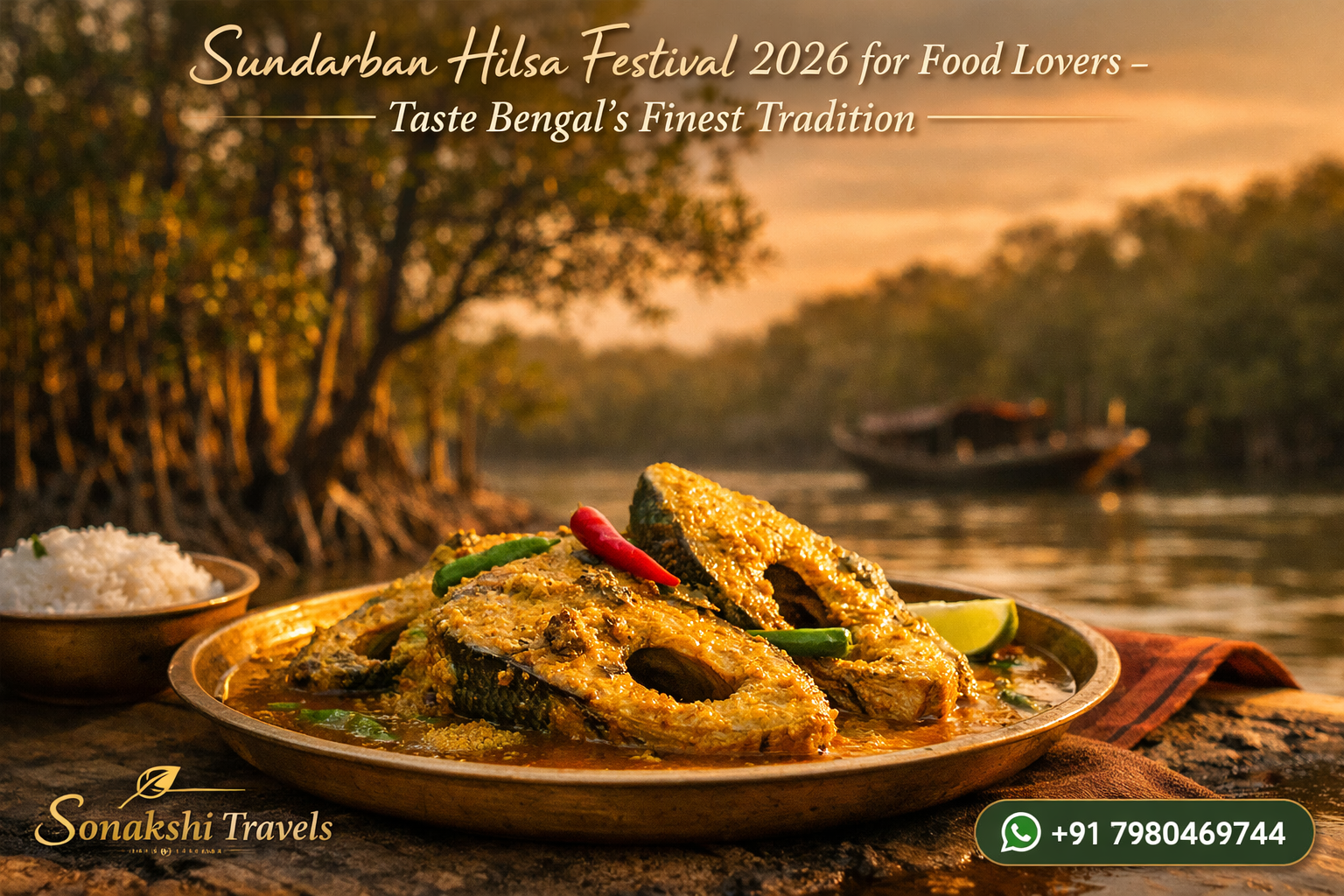
For many people, food is not only about eating. It is also about memory, place, season, and identity. A dish becomes more meaningful when it is connected with river life, local culture, and a long tradition of taste. That is why the idea of the Sundarban Hilsa Festival 2026 has a special place in the mind of every serious food lover. It is not simply a trip to enjoy fish. It is a chance to experience Bengal’s most respected culinary emotion in the landscape that gives it deeper meaning.
The hilsa holds a rare position in Bengali food culture. It is admired for its rich texture, delicate oil, and unmistakable flavour. Yet the true joy of hilsa does not come only from the fish itself. It comes from the way it is prepared, the season in which it is enjoyed, the people with whom it is shared, and the setting in which it is served. In the delta region, these elements come together in a way that feels complete. That is why travellers who read a complete plan for Sundarban Hilsa Festival 2026 often discover that this journey is not only for tourists. It is for those who understand food as culture.
Why the festival matters so much to food lovers
A true food lover does not search only for quantity or variety. The deeper search is for authenticity. The person wants to know whether the dish still carries its original spirit. The hilsa festival in the Sundarban becomes important because it brings the fish back to a setting that feels natural, regional, and meaningful. Instead of eating hilsa in a rushed city restaurant, the traveller tastes it in a river-based environment where the mood of Bengal remains visible.
This difference matters. Food changes when the setting changes. A plate of sorshe ilish feels one way in an urban dining room and another way on a boat moving quietly through tidal water. The aroma of mustard, the soft shine of hilsa oil, the calm of the delta air, and the slower rhythm of the day all combine to create a fuller experience. For people who truly care about taste, such details are not minor. They are central.
The festival also matters because hilsa is not treated as a single dish. It is understood as a subject with many forms. Different cooking styles reveal different qualities of the fish. One preparation may highlight the softness of the flesh. Another may bring out the richness of its oil. A third may show how simple seasoning can preserve the fish’s natural dignity. This layered approach is exactly what serious food lovers appreciate.
The emotional power of hilsa in Bengali food culture
There are many famous fish dishes in India, but few carry the emotional power of hilsa in Bengal. It is connected with monsoon, family meals, festival tables, and old recipes passed through generations. To speak of hilsa is to speak of tradition. It belongs to the kitchen, but it also belongs to poetry, conversation, and memory. This is why the Sundarban Hilsa Festival 2026 is not merely a food event. It is a cultural experience shaped by affection and pride.
For a Bengali household, hilsa often means more than taste. It represents celebration with restraint, luxury without display, and refinement without noise. Even the way people discuss hilsa shows respect. They talk about bone structure, texture, fat content, aroma, and cooking style with unusual seriousness. Such respect does not appear by accident. It comes from a long culinary history.
Food lovers who visit the festival can feel this difference immediately. Hilsa is not presented as a fashionable trend. It is treated as something already established, already loved, and already understood by local food culture. That sense of continuity gives the festival depth. It helps the traveller understand that this is not temporary excitement. It is a living tradition.
What makes Sundarban the right setting for this experience
The Sundarban offers more than scenery. It creates atmosphere. The region is shaped by rivers, muddy banks, shifting light, quiet villages, and mangrove edges. Such a setting slows the mind and sharpens the senses. Food is felt more deeply when the surroundings are calm. The festival gains value because the landscape supports the mood of the meal.
In a noisy place, taste can become mechanical. People eat quickly, speak loudly, and move on. In the Sundarban, the opposite often happens. The meal becomes part of the journey. There is time to notice the fragrance of mustard, the softness of steamed fish, the warmth of rice, and the quiet pleasure of eating slowly. For the food lover, this matters more than decoration or show.
This is also where the idea behind the slug complete plan for Sundarban Hilsa Festival 2026 becomes meaningful. A well-planned food journey is not only about booking a seat. It is about understanding how place, season, food, and mood connect. The Sundarban makes that connection visible. It shows why hilsa belongs not only to the plate but also to the wider river culture of Bengal.
The many tastes of hilsa that define the festival
The greatest strength of this festival is that it allows one ingredient to speak through many dishes. That is where the real joy begins for food lovers. Instead of repeating the same flavour, the festival celebrates difference within tradition. Each dish offers a new angle on the same beloved fish.
Sorshe ilish and the power of mustard
No discussion of hilsa can begin without sorshe ilish. This is perhaps the most iconic preparation of the fish. Mustard gives sharpness, warmth, and depth, while green chilli adds freshness. The fish itself remains the centre. A good sorshe ilish should never bury the hilsa under spice. It should support the fish, not dominate it. At the festival, this balance becomes one of the most important signs of culinary quality.
Bhapa ilish and the beauty of softness
Bhapa ilish offers a different experience. It is gentler, softer, and often more elegant in texture. Steaming preserves moisture and allows the flavour to stay clean. For many refined eaters, bhapa ilish reveals the true personality of the fish better than any heavy curry. It is quiet food, but deeply satisfying food.
Ilish paturi and the role of aroma
Wrapped and cooked carefully, ilish paturi gives a special pleasure because aroma becomes part of the eating experience. The opening of the parcel itself creates anticipation. The fragrance of mustard, oil, and leaf or wrapping material turns the meal into a sensory event. Food lovers often remember such details long after the journey ends.
Hilsa fry and the first taste of richness
A simple hilsa fry may seem modest beside the more famous recipes, but it plays an important role. It allows the eater to understand the natural richness of the fish with very little distraction. A well-fried piece of hilsa, served hot, can reveal why this fish is treated with such respect across Bengal.
How the festival turns eating into a complete culinary journey
A good food journey has rhythm. It does not give everything at once. It unfolds. This is where the festival becomes especially rewarding. The traveller does not only sit for one grand meal. Instead, the taste experience develops across time. One dish appears at lunch, another at dinner, another in a calmer setting the next day. This gradual unfolding creates memory in a stronger way.
The setting adds to that rhythm. Morning tea with river air, a calm boat ride before lunch, a fresh hilsa preparation served while looking at the water, and a slower evening meal under a softer sky all create a sense of sequence. The body enjoys the food, but the mind also receives the atmosphere. This is why the event feels larger than a menu.
Travellers who explore the idea through a complete festival journey in the Sundarban often realise that the pleasure comes from structure as much as from flavour. Food lovers appreciate this because serious eating is rarely about random indulgence. It is about thoughtful arrangement, timing, and balance.
Why this festival appeals to both traditional and modern food lovers
The festival has a rare strength. It satisfies people who love traditional recipes, and it also attracts younger or modern travellers who want a deeper food experience. This balance comes from the nature of hilsa itself. The fish is old in tradition, but never old in appeal. Each generation returns to it with fresh interest.
Traditional food lovers admire the preservation of classic Bengali preparations. They want the mustard to taste right, the steaming to remain delicate, and the fish to be handled with care. Modern food travellers, on the other hand, may come in search of authenticity, regional identity, and experiential dining. The festival speaks to both groups because it offers substance rather than fashion.
That is why the title Sundarban Hilsa Festival 2026 for Food Lovers feels accurate. The centre of the journey is not entertainment alone. It is taste with meaning. It is food that still belongs to place, season, and culture.
The role of season in making hilsa truly special
Hilsa is not a fish that can be understood properly without thinking about season. Its emotional power is linked to timing. The festival becomes meaningful because it respects that fact. A food lover knows that season shapes quality, expectation, and appetite. Some dishes can be enjoyed at any time, but hilsa reaches deeper importance when it appears within its natural cultural season.
This seasonal character gives the festival a sense of anticipation. People do not approach it casually. They wait for it. They discuss it. They plan for it. That waiting adds value to the eating experience. The meal feels earned. It becomes part of a yearly cycle rather than a random purchase.
For this reason, a well-organised visit built around the idea of a complete plan for Sundarban Hilsa Festival 2026 helps travellers enjoy the food in the right spirit. Food tastes better when the journey respects timing. The best culinary experiences are rarely accidental.
What food lovers often remember most after the trip
When food lovers return from such a journey, they usually do not remember only one plate. They remember a chain of impressions. They remember the first smell of mustard from the kitchen. They remember hot rice with soft hilsa. They remember a quiet lunch on water. They remember talking about bones, flavour, and texture with unusual seriousness. They remember how the fish felt both rich and refined.
They also remember the emotional quality of the meal. Hilsa often creates a different kind of satisfaction. It is not loud food. It does not depend on strong spice or heavy presentation. Its pleasure comes from depth, oil, softness, and balance. That is why the memory stays. It leaves behind both taste and mood.
Some travellers remember the contrast between dishes. One meal may feel sharp and bold with mustard. Another may feel soft and elegant through steaming. Another may feel homely and comforting. The same fish appears in different forms, and each form tells a different story. For the serious eater, that variety within a single theme becomes one of the greatest joys of the festival.
A food journey that respects tradition without becoming rigid
One of the finest qualities of the festival is that it respects tradition without turning it into a museum piece. The recipes remain rooted, but the experience remains alive. Food is served in a way that feels natural, not forced. That is important because true culinary tradition should still breathe. It should still speak to present-day travellers.
The Sundarban setting helps maintain that living quality. The food is not separated from daily river life. It still feels connected to movement, weather, locality, and human routine. This connection keeps the festival honest. Food lovers can sense when an event is built only for display. Here, the deeper appeal comes from continuity and atmosphere.
This is why many readers who discover the journey through this thoughtful plan for the Sundarban Hilsa Festival 2026 feel drawn to it. They see that the experience is not only about eating more. It is about eating better, understanding more, and feeling the cultural weight behind each preparation.
Why Sundarban Hilsa Festival 2026 deserves attention from serious eaters
There are many food events that create short excitement. Few create lasting respect. The Sundarban Hilsa Festival 2026 deserves attention because it is built around a dish tradition that already holds deep meaning in Bengali life. It does not need false drama. The subject itself is strong enough. Hilsa, when treated with care, carries history, identity, and pleasure all at once.
For the serious food lover, this matters greatly. A meaningful food journey should offer more than taste alone. It should offer context. It should show why the dish matters, why the setting suits it, and why the memory lasts. The Sundarban does exactly that. It places Bengal’s finest fish within a landscape that supports reflection, appetite, and cultural depth.
In the end, the festival is valuable because it brings together the finest qualities of a great culinary experience. It offers authentic Bengali food, a strong sense of place, a respectful treatment of tradition, and the pleasure of tasting hilsa in several memorable forms. For those who love food not as fashion but as culture, this journey becomes much more than a trip. It becomes a way to taste Bengal with attention, care, and genuine joy.